Back to Recipes
American Southern
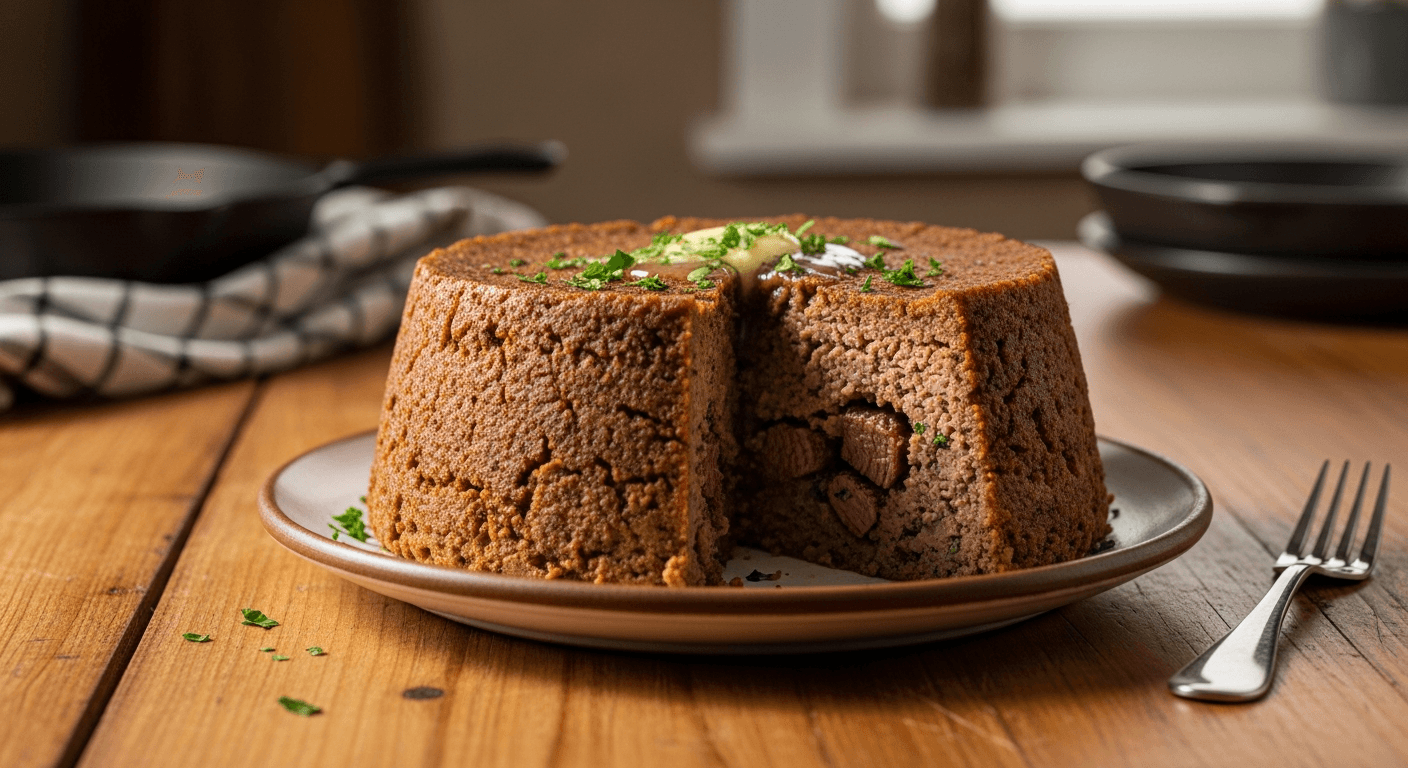
Beef Suet Pudding
Historic recipe from Malinda Russell's 1866 cookbook "A Domestic Cook Book". Page 34. One of the earliest known cookbooks by an African American author.
15 minPrep Time
30 minCook Time
6Servings
hardDifficulty
Why This Recipe Works
Finely chopping suet (beef fat) and mixing it with flour creates a matrix where fat coats flour particles, preventing gluten development and ensuring tenderness. Pricking the casings during boiling allows steam to escape, preventing bursting while the collagen in the intestinal casings gradually breaks down into gelatin. The initial boiling followed by drying creates a preserved product through moisture reduction, while the high fat content (suet) acts as a natural preservative that inhibits bacterial growth.
Before You Begin
- •This is a preservation recipe, not a fresh-eating recipe—the puddings are designed to be made in advance and stored for later use
- •Use 1 pound beef suet, 2 cups flour, 1 teaspoon each salt and pepper, and 1/2 teaspoon each dried herb for modern measurements (the original uses ratios)
- •If using natural casings, soak them in cold water for 30 minutes and rinse thoroughly before stuffing
- •Work in a cool environment when handling suet, as it becomes difficult to chop when warm
- •Have all herbs and seasonings measured before beginning, as the suet must be worked quickly once chopped
Community Notes
0 notes
Sign in to share your thoughts and connect with the community
Sign In to CommentLoading notes...