Back to Recipes
American Southern
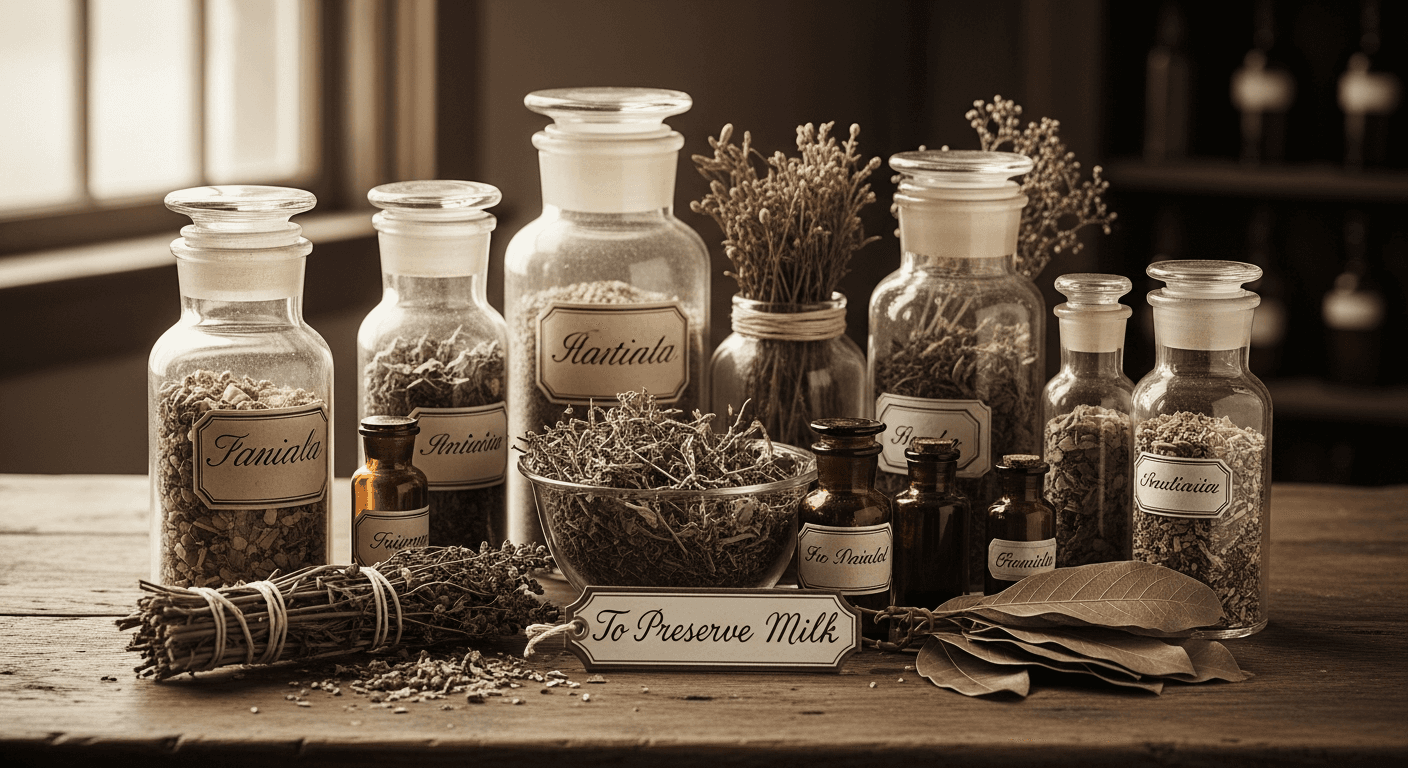
To Preserve Milk
Historic recipe from Malinda Russell's 1866 cookbook "A Domestic Cook Book". Page 41. One of the earliest known cookbooks by an African American author.
20 minPrep Time
60 minCook Time
8Servings
easyDifficulty
Why This Recipe Works
Horseradish contains natural antimicrobial compounds called isothiocyanates that inhibit bacterial growth in milk. These sulfur-containing compounds are released when horseradish cells are broken, creating an environment hostile to spoilage bacteria. While pasteurization is now the standard for milk preservation, this historic technique demonstrates early understanding of natural preservatives before modern refrigeration.
Before You Begin
- •This is a historic preservation method and should not replace modern refrigeration and pasteurization for food safety
- •Use fresh horseradish root, not prepared horseradish from a jar which contains vinegar and additives
- •Grate or finely chop the horseradish immediately before adding to milk to release maximum antimicrobial compounds
- •Start with the freshest possible milk from a reliable source if attempting this historical technique
- •Note that this method only extends freshness by a few days and cannot prevent spoilage indefinitely
- •
Community Notes
0 notes
Sign in to share your thoughts and connect with the community
Sign In to CommentLoading notes...