Back to Recipes
American Southern
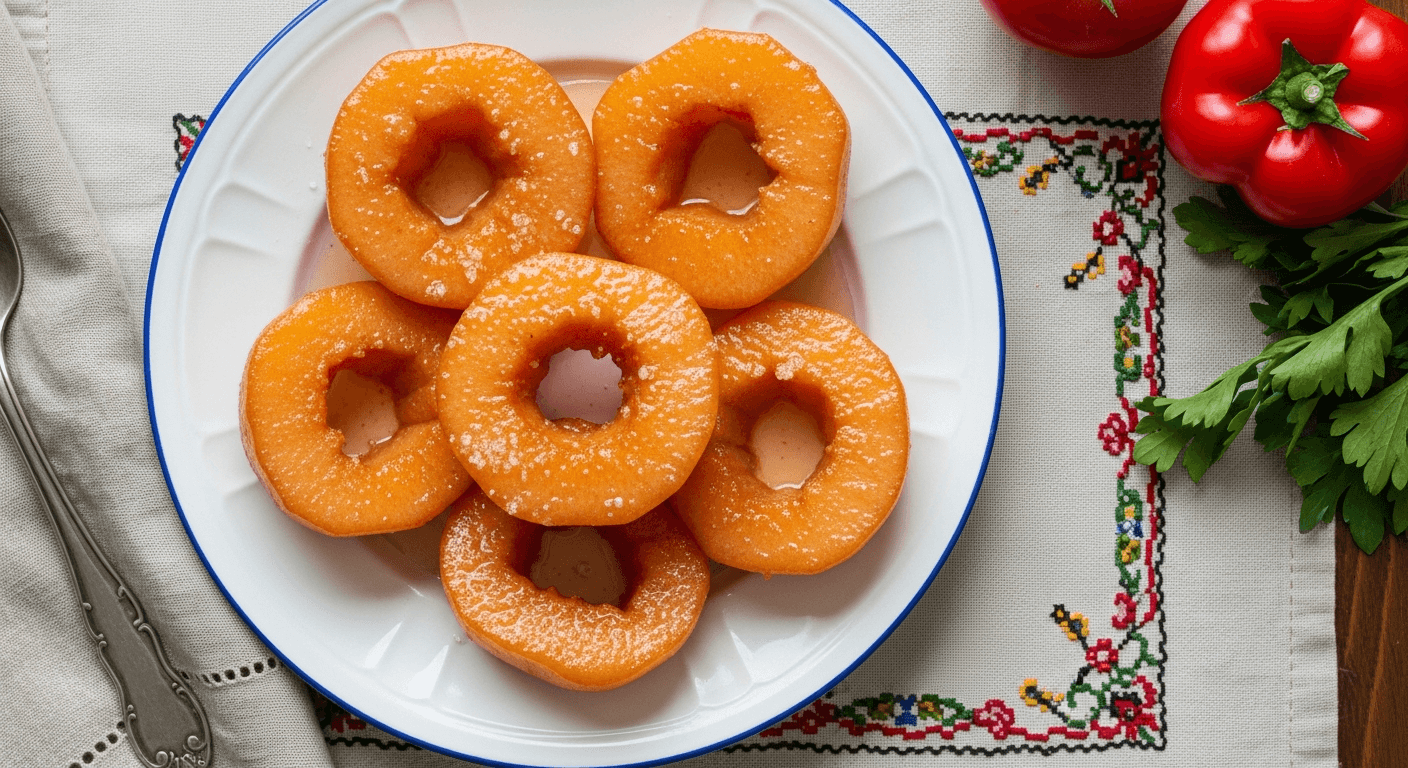
Preserved Quince
Historic recipe from Malinda Russell's 1866 cookbook "A Domestic Cook Book". Page 27. One of the earliest known cookbooks by an African American author.
20 minPrep Time
60 minCook Time
16Servings
mediumDifficulty
Why This Recipe Works
Briefly blanching the quinces in hot syrup softens their dense, astringent flesh and begins extracting pectin, which helps thicken the preserving syrup. Boiling the syrup separately first concentrates its sugar content, creating an environment hostile to bacterial growth through osmotic pressure. The high sugar-to-fruit ratio (1:1) ensures proper preservation by binding water molecules, making them unavailable for microbial activity, while the extended cooking time allows the quinces to absorb the syrup and develop their characteristic ruby color through oxidation of their phenolic compounds.
Before You Begin
- •Use firm, aromatic quinces that are yellow and fuzzy; green quinces are underripe and lack flavor
- •Prepare a bowl of acidulated water (water with lemon juice) to hold peeled quinces and prevent immediate browning
- •Work quickly when paring and coring as quinces oxidize rapidly and are extremely hard to cut—a sharp chef's knife is essential
- •Have sterilized jars ready before starting; this historic preservation method requires proper canning technique for safe storage
- •
Community Notes
0 notes
Sign in to share your thoughts and connect with the community
Sign In to CommentLoading notes...