Back to Recipes
American Southern
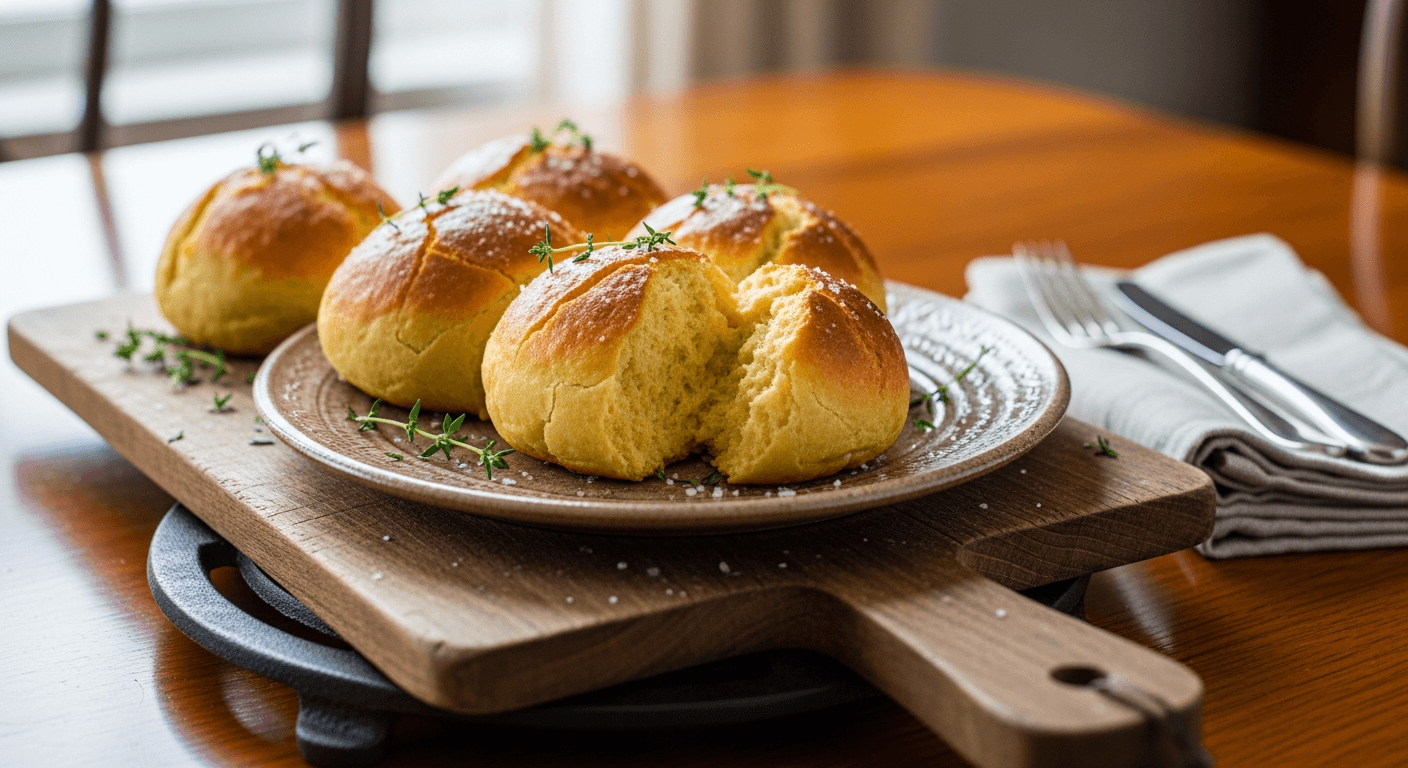
Potato Ferment Rolls
Historic recipe from Malinda Russell's 1866 cookbook "A Domestic Cook Book". Page 32. One of the earliest known cookbooks by an African American author.
15 minPrep Time
30 minCook Time
12Servings
hardDifficulty
Why This Recipe Works
This historic yeast bread relies on a potato ferment starter (the 'yeast' referenced would have been homemade from fermented potatoes) which provides wild yeasts and lactic acid bacteria for leavening and flavor. The milk adds fat and proteins that create a tender crumb and golden crust through Maillard browning. Adding eggs after the first rise enriches the dough with lecithin, which acts as an emulsifier to create a softer, more cake-like texture. The final warm rise develops additional flavor while the quick, hot oven creates rapid steam expansion for maximum lift.
Before You Begin
- •This recipe requires interpretation: '1 lb yeast' likely means 1 pound of potato ferment starter or 2 tablespoons active dry yeast for modern adaptation
- •The recipe is written for experienced bakers - you'll need approximately 6-8 cups of flour to create a workable dough
- •'When light' means after the first rise when the dough has doubled in size, typically 1-2 hours
- •Test if your starter is sour by tasting; if acidic, add 1/2 teaspoon baking soda to neutralize
- •Preheat your oven to 425-450°F for the 'quick oven' referenced in historic recipes
Community Notes
0 notes
Sign in to share your thoughts and connect with the community
Sign In to CommentLoading notes...