Back to Recipes
American Southern
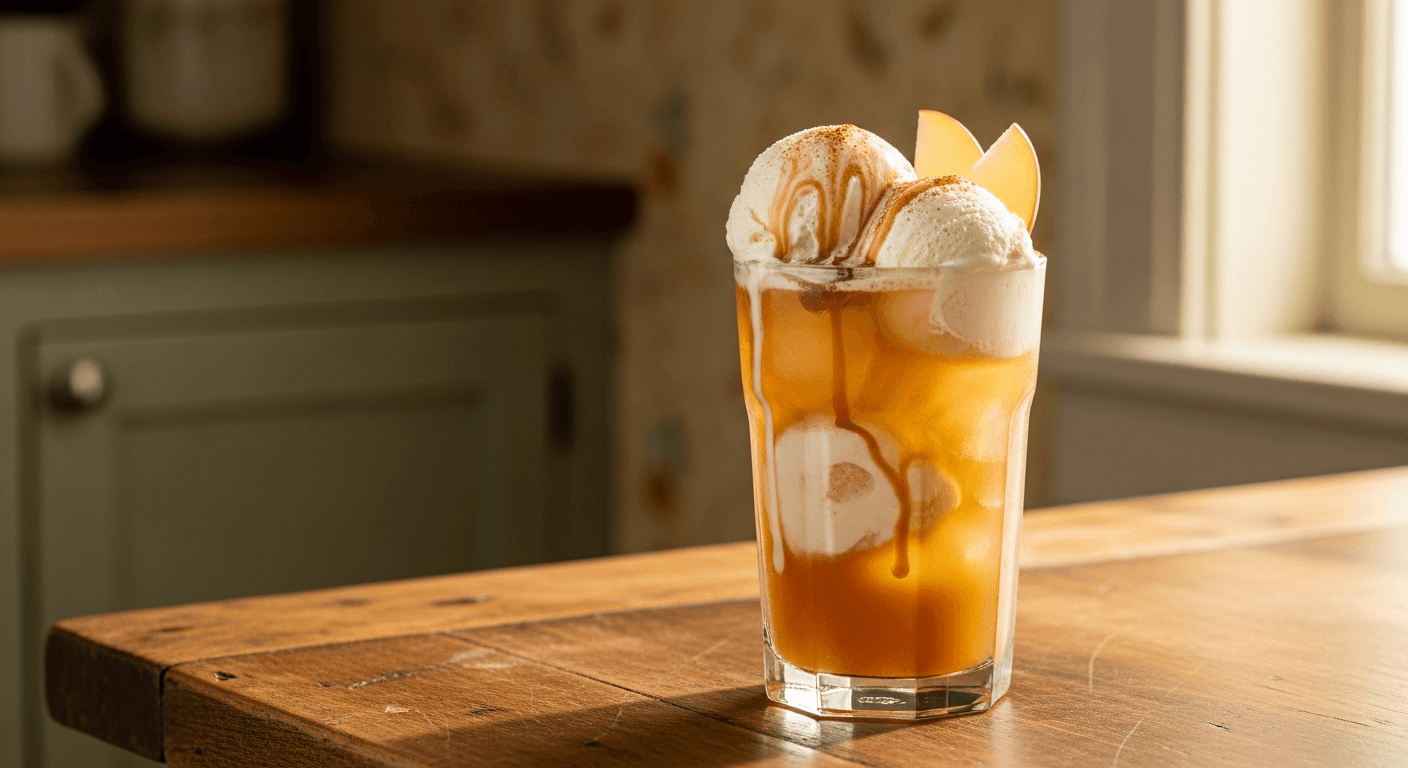
Apple Float
Historic recipe from Malinda Russell's 1866 cookbook "A Domestic Cook Book". Page 36. One of the earliest known cookbooks by an African American author.
15 minPrep Time
30 minCook Time
8Servings
mediumDifficulty
Why This Recipe Works
Beating egg whites with sugar creates a stable meringue through protein denaturation—the mechanical action unfolds egg proteins that trap air bubbles, while sugar stabilizes the foam by increasing viscosity and delaying coagulation. The dry, stewed apples are essential because excess moisture would deflate the meringue; removing water concentrates the apple flavor and prevents weeping. Layering the airy apple meringue over custard creates a striking textural contrast that defined Victorian-era desserts.
Before You Begin
- •Ensure egg whites contain no traces of yolk or fat, which prevent proper foam formation—use impeccably clean bowls and beaters
- •Stew apples until completely dry and cooled to room temperature; hot or wet apples will collapse the meringue structure
- •Prepare the custard first and allow it to cool slightly before adding the float—this prevents the meringue from breaking down
- •Beat egg whites to stiff peaks before folding in the apple mixture; under-beaten whites won't hold their structure
- •Work gently when combining apples with meringue to preserve the air bubbles you've created
Community Notes
0 notes
Sign in to share your thoughts and connect with the community
Sign In to CommentLoading notes...