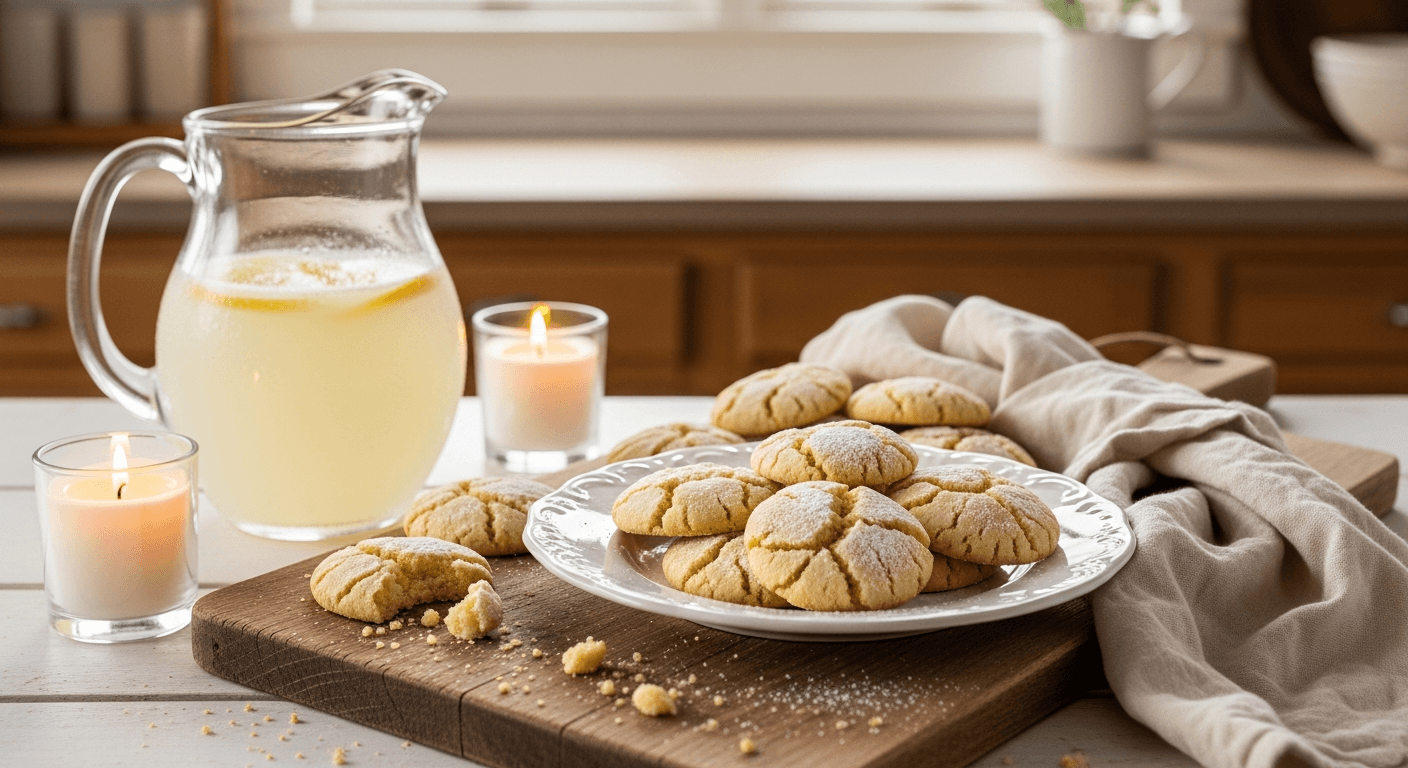
Historic recipe from Malinda Russell's 1866 cookbook "A Domestic Cook Book". Page 23. One of the earliest known cookbooks by an African American author.
The combination of soda (baking soda) and cream of tartar creates an acid-base reaction that produces carbon dioxide, leavening these cookies without commercial baking powder (which didn't exist in 1866). Sour milk provides additional acidity that activates the baking soda while tenderizing the dough through its lactic acid content. The high butter-to-flour ratio creates a rich, tender cookie that spreads moderately during baking, while caraway seeds add the aromatic, slightly anise-like flavor popular in 19th-century American baking.
Before You Begin
•If you don't have sour milk, make your own by adding 2 tablespoons lemon juice or white vinegar to 2 cups whole milk and letting it sit for 10 minutes until curdled
•Bring butter to room temperature (65-67°F) for easier creaming and better incorporation into the dough
•Use approximately 4-5 cups all-purpose flour to achieve a 'soft dough' that's rollable but not sticky—add flour gradually until dough just comes together
•Grind whole caraway seeds using a mortar and pestle or spice grinder for about 1-2 teaspoons total, or use pre-ground if available
•
Community Notes
0 notes
Sign in to share your thoughts and connect with the community
Have extra granulated sugar ready for sprinkling (about 2-3 tablespoons)
•Chill the dough for 30 minutes if it becomes too soft to roll, as the high butter content can make it sticky at room temperature
Key Equipment
Large mixing bowlRolling pinCookie cutters (2-3 inch rounds or shapes)Baking sheets (preferably light-colored aluminum)Parchment paper or silicone baking mats
Ingredients
Instructions
1
Two cups sugar, two do.
2
sour milk, one cup butter, one teaspoon soda, one do.
3
cream tartar, flour to make soft dough, ground carraway seeds; sprinkle top with white sugar, roll and cut.
Make Ahead
The dough can be wrapped tightly in plastic wrap and refrigerated for up to 2 days or frozen for up to 1 month. If frozen, thaw overnight in the refrigerator before rolling. Unbaked cut cookies can be frozen on a baking sheet until solid, then transferred to a freezer bag for up to 2 months; bake directly from frozen, adding 2-3 minutes to baking time.
Storage
Store baked cookies in an airtight container at room temperature for up to 1 week. Layer between sheets of parchment paper to prevent sticking. These cookies do not freeze well after baking due to their tender, cake-like texture.