Back to Recipes
American Southern
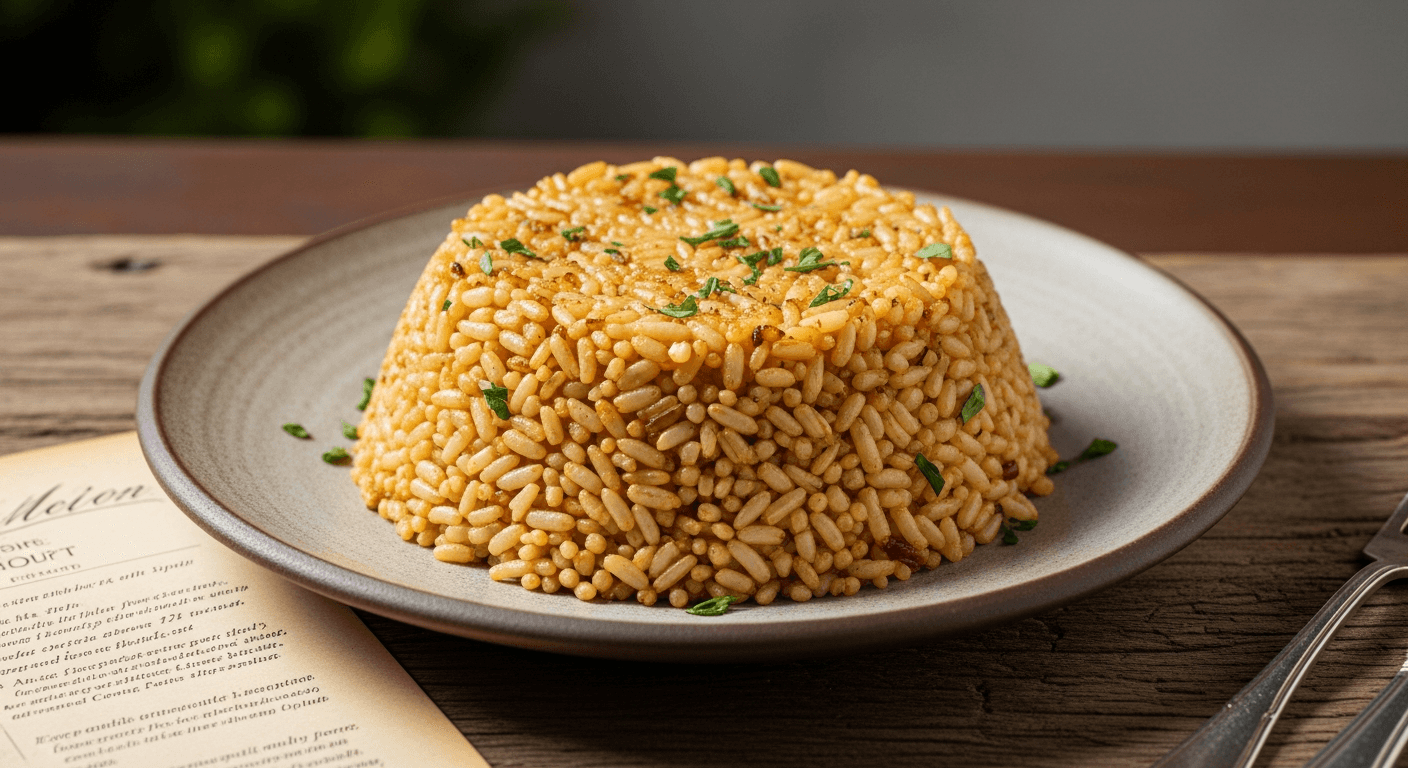
Burst-up Rice
Historic recipe from Malinda Russell's 1866 cookbook "A Domestic Cook Book". Page 28. One of the earliest known cookbooks by an African American author.
15 minPrep Time
30 minCook Time
8Servings
easyDifficulty
Why This Recipe Works
Rinsing rice removes excess surface starch that would otherwise make the grains gummy and clumped. The initial boiling water rinse pre-gelatinizes some starch on the surface, creating a protective barrier. Boiling the rice hard in a tightly covered vessel creates a steam environment that cooks the grains evenly while preventing moisture loss, resulting in separate, fluffy grains. Cooking until dry (absorption method) ensures each grain absorbs exactly the right amount of water without becoming waterlogged.
Before You Begin
- •Note that the recipe lists '1 cups rice' and '1 each water' - interpret this as 1 cup rice to approximately 2 cups water (the historical 'pint' measurement)
- •Use long-grain white rice for best results with this historic method; avoid short-grain or sticky rice varieties
- •Have boiling water ready in two separate vessels before starting - one for rinsing, one for cooking
- •Pick through rice to remove any debris or discolored grains, as was necessary in the 19th century and still good practice today
- •Keep the lid tightly covered during cooking and resist the urge to peek, as steam loss will affect the final texture
Community Notes
0 notes
Sign in to share your thoughts and connect with the community
Sign In to CommentLoading notes...